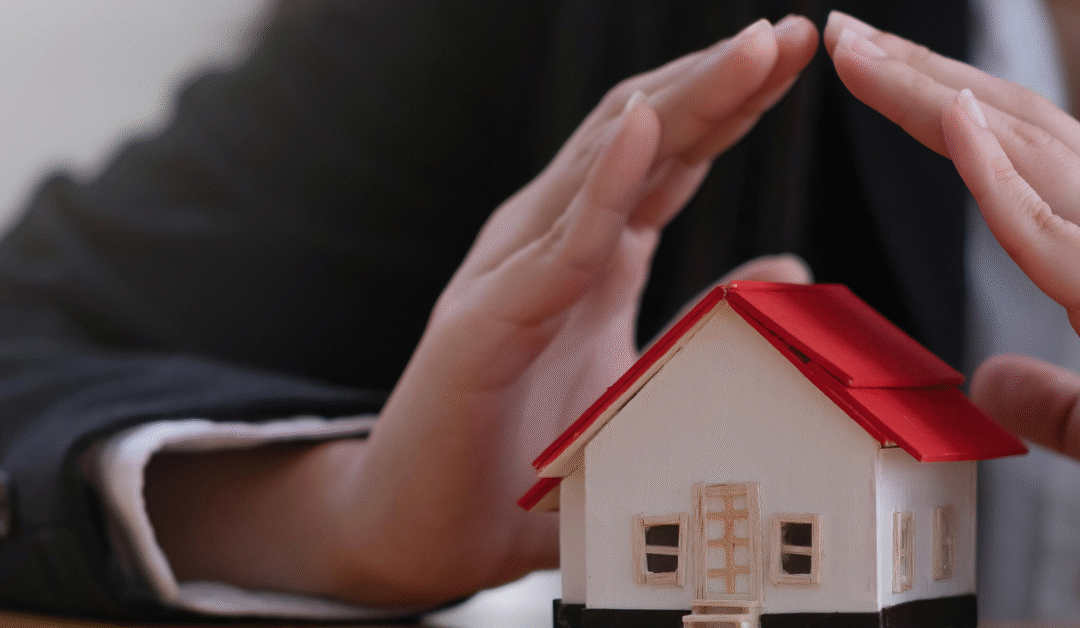
Vacation is a time for relaxation and adventure, but it’s crucial to ensure that the home remains secure while away. Many individuals overlook basic precautions that can prevent burglaries or damage. Implementing essential safety tips before leaving can provide peace of mind and protect personal property.
One of the most effective strategies includes investing in home security systems, which can deter potential intruders and alert homeowners to any suspicious activity. Simple actions, such as securing doors and windows and informing trusted neighbors about the absence, can also significantly enhance security.
Additionally, maintaining a lived-in appearance can dissuade burglars. This can be achieved by using timers for lights and suspending mail delivery. By taking these proactive measures, homeowners can enjoy their vacation without worrying about their property at home.
Strengthening Physical Home Security
Improving physical home security involves a combination of robust entry points, adequate lighting, and modern technology. Each element plays a crucial role in deterring potential intruders and enhancing overall safety.
Securing Doors and Windows
Doors and windows are primary entry points for intruders. Upgrading to solid-core wooden or metal doors can make forced entry much more difficult. Reinforce door frames with strike plates and consider using deadbolt locks, which provide additional resistance against tampering.
Window security can be enhanced by installing locks and using window film, which makes glass harder to break. Consider adding security bars or grilles for added protection. Homeowners should also regularly check for any gaps or damage that might allow someone to easily breach a window or door. Using security systems that include sensors for doors and windows can provide alerts when they are opened unexpectedly. This allows for a quicker response to potential threats.
Enhancing Outdoor Lighting
Proper lighting is essential for deterring crime. Installing motion-sensor lights around the perimeter of the home ensures that dark areas are illuminated when motion is detected.
Consider placing lights near doorways, garages, and pathways. These areas should be well-lit to avoid creating hiding spots for potential intruders. LED lights are energy-efficient and can provide bright illumination to enhance visibility. Smart outdoor lighting systems can be programmed to operate on timers or remote control. This creates the illusion of occupancy when homeowners are away, further discouraging criminal activity.
Implementing Smart Locks and Entry Systems
Smart locks offer convenient and secure access control. Homeowners can manage entry without traditional keys, using smartphones or key codes instead. This eliminates the need for physical keys, which can be lost or copied. Many smart locks provide features like temporary access codes for guests or service personnel. This ability allows homeowners to control entry while maintaining security.
Incorporating security cameras with smart lock systems adds another layer of protection. Homeowners can monitor their property remotely, receiving real-time alerts if suspicious activity is detected. This integration enhances overall situational awareness and security. By focusing on these aspects of physical security, homeowners can significantly reduce the chances of unauthorized entry while they are on vacation.
Utilizing Security Systems and Monitoring Solutions
Effective home security while on vacation hinges on the right security systems and monitoring options. Understanding how to choose the best system, properly position cameras, and utilize remote monitoring can greatly enhance safety.
Choosing the Right Security System
Selecting a security system requires consideration of specific needs. Homeowners should assess the size of their property and the level of protection desired. Systems can range from basic alarm setups to advanced smart home integrations.
Options include:
- Monitored Systems: 24/7 professional monitoring provides immediate responses to alerts.
- Unmonitored Systems: These rely on local alarms and can deter intruders but lack professional oversight.
Investigating brands known in the United States, such as ADT or Ring, may help in making an informed decision. Prioritize features like smartphone connectivity, ease of installation, and customer support.
Positioning and Maintaining Security Cameras
Effective camera positioning is critical for comprehensive coverage. Cameras should be placed at entry points, driveways, and strategic vantage points to capture potential intruders. Ensuring no blind spots is essential.
Additional tips for camera placement:
- Height: Position cameras at least 8-10 feet high to prevent tampering.
- Lighting: Place cameras in well-lit areas to enhance image quality, particularly at night.
Regular maintenance is also vital. Homeowners should clean camera lenses, check battery levels, and ensure software updates are applied. This helps maintain optimal functionality.
Remote Monitoring and Alerts
Remote monitoring solutions expand control over home security. Many systems offer smartphone apps that provide live feeds from security cameras. These capabilities allow homeowners to monitor their property from anywhere.
Notifications play a crucial role. Setting up alerts for motion detection or other unusual activities can help in taking prompt action. Various systems allow customization of alert settings, which can reduce false alarms while ensuring timely updates. This feature increases peace of mind during vacations, as homeowners can remain aware of their property’s status.
Reducing Home Vulnerabilities During Absences
Proper measures can significantly decrease a home’s vulnerabilities while the occupants are away. The following strategies focus on managing deliveries, utilizing timers, and engaging trusted neighbors.
Managing Deliveries and Mail
An overflowing mailbox or packages left on the porch can signal an absence. To manage deliveries:
- Hold Mail Services: Contact the postal service to halt mail delivery. This service is typically available for short or extended periods.
- Package Management: Consider using a delivery service that allows packages to be held at a local facility.
- Smart Lockers: Some companies offer secure lockers for package delivery, ensuring items remain safe until retrieval.
Implementing these options can reduce visibility and deter potential intruders.
Using Timers for Lights and Electronics
Utilizing timers keeps the home seeming lived-in. Key strategies include:
- Light Timers: Install timers for interior and exterior lights. Schedule them to turn on and off at random intervals to mimic occupancy.
- TV or Radio Timers: Set timers on electronic devices, such as TVs or radios, to create noise during key hours. This provides an additional layer of realism.
Using varied settings creates unpredictability, which can dissuade potential thieves.
Notifying Trusted Neighbors or Friends
Informing neighbors or friends can enhance security. Important steps include:
- Trusted Person Check-ins: Arrange for a neighbor or friend to check the property regularly. They can identify suspicious activity or problems.
- Emergency Contact: Provide emergency contact information to neighbors. This allows them to act if something appears amiss.
Regular check-ins can act as an additional security measure and give peace of mind.
Protecting Against Environmental Threats
Environmental threats can compromise home safety while on vacation. It’s vital to address potential water damage and prepare for risks, especially in hurricane-prone areas.
Preventing Water Damage
Water damage can occur from various sources, such as leaks or storms. To minimize risks before leaving, homeowners should:
- Inspect plumbing: Check for leaks in pipes, faucets, and hoses.
- Turn off water supply: Shut off valves to prevent potential flooding.
- Clean gutters: Ensure gutters and downspouts are clear of debris to facilitate proper drainage.
Installing a water detection system can offer alerts in case of moisture presence. A sump pump is also beneficial in flood-prone regions, helping to prevent significant damage.
Preparing for Risks in Hurricane-Prone Areas
For those living in hurricane-prone areas, preparation is key. Homeowners should take proactive measures, including:
- Secure windows and doors: Install storm shutters or use plywood to shield against high winds.
- Landscape wisely: Trim trees near the house to reduce the risk of falling branches.
- Create an emergency plan: Prepare a family communication plan and designate a safe shelter location.
Reviewing and updating homeowners’ insurance policies for hurricane coverage is also advisable. This ensures adequate protection of property and belongings before a storm strikes.