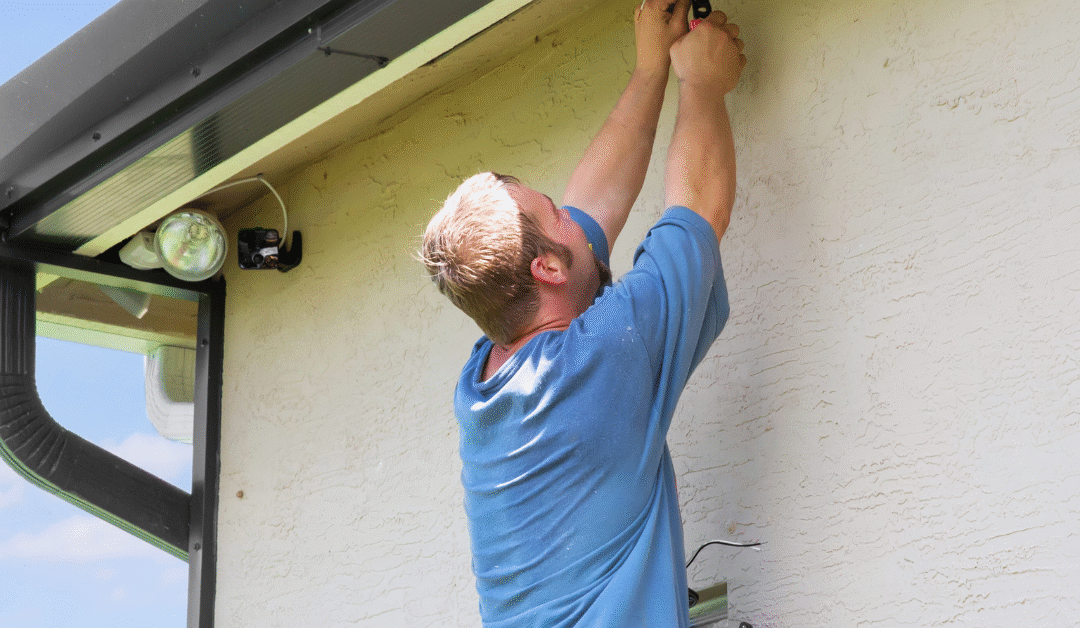
Proper outdoor lighting can significantly enhance security for homes and businesses. Among the best options are motion-sensor lights, floodlights, and smart lighting systems. These solutions not only deter potential intruders but also provide safety for individuals navigating around properties after dark.
Motion-sensor lights specifically activate when movement is detected, startling intruders and alerting homeowners. Floodlights offer extensive coverage, illuminating large areas and making it difficult for anyone to approach unseen. Smart lighting systems allow users to control outdoor lights remotely, ensuring that properties appear occupied even when homeowners are away.
Selecting the right outdoor lighting option can greatly improve both security and safety. By incorporating these lighting solutions, properties become less attractive targets for crime, enhancing peace of mind for those who reside or work within them.
Key Outdoor Lighting Options for Security
Effective outdoor lighting significantly enhances security around a property. Various lighting options provide functional benefits tailored to different needs.
Motion Sensor Lighting
Motion sensor lights activate when they detect movement, making them ideal for deterring potential intruders. They can be placed near entry points such as doors and garages.
These lights offer energy efficiency by only illuminating when necessary. With adjustable sensitivity settings, users can customize how far away motion is detected.
Many models have a range of 30 to 100 feet, covering various outdoor spaces. They can also be connected to a smart home system for added convenience, allowing users to receive alerts on their smartphones.
Floodlights for Wide Coverage
Floodlights are the go-to choice for broad illumination, covering large outdoor areas. They typically feature high-intensity bulbs, providing bright light that enhances visibility and security.
Floodlights should be strategically placed to eliminate dark spots around the property. They can be mounted on walls or poles and directed toward vulnerable areas.
Many modern floodlights come with features such as dusk-to-dawn sensors, ensuring they turn on automatically when it gets dark. Some models also include motion sensors for better energy management.
Smart Outdoor Security Lights
Smart outdoor security lights integrate technology for enhanced protection. They can connect to home networks, allowing users to control lighting remotely via smartphone apps.
Some smart lights can be programmed to mimic occupancy patterns. This feature helps create the illusion of being home, deterring potential threats.
Users can also receive real-time notifications if motion is detected. Features like voice control and compatibility with smart home devices add convenience and security.
Choosing the Right Outdoor Security Lights
Selecting suitable outdoor security lights involves assessing vulnerable areas of a property, determining the appropriate brightness, and choosing the right lighting technology. Each of these factors plays a critical role in enhancing security.
Assessing Your Property’s Vulnerable Areas
Identifying vulnerable areas is crucial for effective outdoor lighting.
- Entry Points: Focus on doors and windows, as these are primary entry points for intruders.
- Dark Spots: Inspect the property for any poorly lit sections, including pathways and gardens.
- High-Risk Areas: Consider places that attract criminal activity, such as garages or storage sheds.
Prioritizing these areas helps ensure maximum coverage. Lighting should be positioned to eliminate shadows and increase visibility. This strategic placement is essential for deterrence and effective monitoring.
Determining Necessary Brightness and Lumens
Brightness is quantified in lumens, an important specification to consider.
- Low Light (100-300 lumens): Ideal for ambient lighting to create a welcoming atmosphere.
- Moderate Light (300-700 lumens): Suitable for paths and driveway illumination.
- High Light (700-1500 lumens): Best for security, particularly around entry points.
Choosing the right lumens helps to strike a balance between comfort and security. Areas requiring heightened alertness demand higher lumen output, providing clear visibility during night hours.
Selecting the Best Lighting Technology
Various lighting technologies cater to different needs.
- LED Lights: Known for energy efficiency and longevity, they provide bright illumination while consuming less power.
- Halogen Lights: Offer brighter light but consume more energy. They are effective for short-term use.
- Solar Lights: Eco-friendly options that harness sunlight for power. Ideal for areas without electric access.
In addition, using motion sensors can significantly enhance security. These sensors activate lighting when movement is detected, alerting homeowners to potential threats while conserving energy when not in use.
Installation and Maintenance Considerations
When installing outdoor lighting for security, strategic placement and the choice between wired and wireless options are crucial. Proper maintenance ensures longevity and optimal performance.
Optimal Placement for Maximum Coverage
Correct placement of outdoor security lights is vital. Floodlights should be positioned to cover entry points such as doors and windows. Installing lights at a height of 8 to 10 feet is ideal for maximizing visibility while minimizing the chance of tampering.
Consider mounting lights at the corners of buildings to enhance coverage and eliminate dark spots. It’s recommended to use motion sensors to conserve energy and ensure lights activate when needed. Additionally, ensure the lights are directed away from the house to avoid glare.
Wired vs. Wireless Lighting Solutions
Wired outdoor security lights offer reliability and consistent power. They are ideal for permanent installations and can provide brighter illumination. However, installation can be labor-intensive and may require professional help.
Wireless lights, on the other hand, are easier to install and can be moved as necessary. Many battery-operated models feature solar panels, reducing the need for electrical wiring. While convenient, they may have limited brightness and require regular battery changes.
Consider the specific security needs, the layout of the property, and potential obstacles when choosing between wired and wireless lighting.
Maintenance Tips and Longevity
Proper maintenance extends the lifespan of outdoor security lights. Regularly check to ensure fixtures are clean and free of debris that could obstruct light output.
For wired lights, inspect the wiring every few months for wear or damage. Ensure that any bulbs are replaced promptly to maintain illumination levels. Wireless lights should have batteries checked and changed at least once a year.
Regular upkeep not only enhances functionality but also ensures reliable performance when it matters most.